Most people see a finished video and think the magic happens on the shoot day. In reality, the shoot is only the visible part. The real work happens before that. A successful video shoot is the result of planning that is thoughtful, aligned with your goals, and practical for your team and brand. When the planning is strong, the shoot feels calm and under control. When it is weak, even the best ideas start to fall apart on set.
If you have ever walked into a shoot feeling unsure about what will happen next, or received a final video that did not match what you had in mind, you have already experienced what poor planning feels like. A video shoot involves people, equipment, locations, schedules, approvals, sound, lighting, editing, and many moving parts. Without structure, it becomes stressful. With the right plan, it becomes smooth.
This guide walks you through how to plan a successful video shoot for your brand from the first idea to a video that is ready to publish.
Start With a Clear Purpose
Before talking about cameras, scripts, or creative ideas, you need to answer a simple question: Why are you making this video.
Your goal could be to launch a new product, simplify a complex process, strengthen your brand presence, recruit talent, promote an event, or build trust with your customers. Each of these goals leads to a different type of video. A recruitment video will not look or feel like a product demo. A brand film will not follow the same structure as a how-to tutorial.
When your purpose is clear, decisions about tone, length, style, and content become easier. You are not just trying to make something that looks nice. You are making something that has a job to do.
A good video starts with clarity of purpose. Creativity builds on that, not the other way around.
Know Who You Are Talking To
A video becomes effective when it feels like it is speaking to someone specific. That is why understanding your audience is just as important as understanding your own brand.
Who is this for:
Ask yourself who this video is really for. Is it for senior leaders who want straight facts and clarity? Is it for young professionals scrolling on social media who only give you a few seconds of attention? Is it for existing customers who already know you or for people who are hearing about you for the first time.
How it shapes the message:
The answers shape everything: the language you use, how quickly you get to the point, how much detail you include, and how you frame your message. A technical explanation for engineers can go deeper. A social media teaser needs to be sharp and quick.
When you plan your shoot with a clear audience in mind, your content feels focused and relevant instead of generic.
Turn Ideas Into a Solid Plan
Once you know why you are making the video and who you are speaking to, you can start turning ideas into something structured. This is where scripts, outlines, and visual planning come in.
A script does not have to be stiff or overly formal. It is simply the written version of what you want to say, in what order, and with what tone. It helps you avoid going off track on set and keeps your message clear. Even for a conversational video, having key points written down makes a difference.
Visual planning:
Next comes the visual plan. This could be a simple shot list or a more detailed storyboard. A shot list is a document that lists what needs to be filmed, for example wide shot of office, close up of hands, interview with founder, product close up on table. A storyboard goes a step further and maps out key scenes as frames, with notes on what the viewer sees and hears.
You do not need to be an artist for this. Rough sketches and simple notes are enough. The purpose is alignment. When everyone can see the rough flow of the video, the shoot day becomes more predictable and less stressful.
Choose Locations That Work On Camera
The location you choose has a big impact on how your video feels and how easy it is to shoot. It affects how it looks, how it sounds, and how comfortable people feel.
Visual fit with brand:
Ask if the space matches your brand. A modern office gives a different impression than a factory floor, a classroom, a clinic, or a café. The background should support your message, not distract from it. Small things like cluttered desks, reflective glass, or messy walls can pull attention away from the subject.
Lighting and sound checks:
Natural light looks beautiful but changes during the day. Indoor spaces with small windows may need artificial lighting to look clean and professional. Sound is even more sensitive. Traffic, echo, air conditioners, or background chatter can ruin an otherwise great shot.
Do a recce:
A short recce visit before the shoot helps you test these things. You can check the light, listen to the sound, decide camera positions, and see where the crew and equipment can fit. This small step avoids many issues on shoot day.
Prepare the People on Camera
Most brand videos involve real people, such as founders, team members, clients, or experts. Even confident speakers can feel uneasy in front of the lens. Preparation here is as important as preparing the location or equipment.
Share context early:
Share the script or talking points with them before the shoot. Explain the purpose of the video and who will be watching it. Show them example videos to give them a feel of the tone. Explain how long they will be on camera and what style you are going for, such as formal, conversational, energetic, or calm.
Wardrobe choices:
Clothes with very loud patterns, large logos, or very bright colors can sometimes be distracting or difficult to light. Simple, solid colors often work best. It also helps to avoid very reflective accessories that might catch the light in unexpected ways.
Make them feel supported:
Give people space to rehearse and reassure them that retakes are normal. When people feel supported instead of judged, they come across more natural and confident, which directly improves the final video.
Get the Technical Basics Right
Technical planning is where your video’s quality is either protected or compromised. You do not need to know every technical term, but a basic understanding helps you ask the right questions and set the right expectations.
Image quality:
This is where choices about camera type and resolution come in. Many professional shoots are done in 4K, even if the final video is delivered in 1080p. The extra resolution gives flexibility in editing and cropping without losing quality.
Lens choices:
Wide lenses are good for showing spaces like offices or event halls. Tighter lenses are better for interviews and emotional close ups. Macro lenses help when you want to show small product details clearly.
Lighting clarity:
Good lighting does not just mean bright. It means shaping the light so faces look natural, important elements are visible, and the overall mood supports the message. Soft lighting is often used for interviews and people focused videos. Harder or more dramatic lighting might be used for certain campaign films or stylised content.
Sound quality:
Sound is as important as visuals, sometimes even more. Viewers will tolerate an average looking video more easily than unclear or harsh audio. This is why proper microphones are essential. Lapel mics, handheld mics, or shotgun mics are commonly used, depending on the scene. Planning for backup audio, such as a second recorder, is also wise.
Stabilisation support:
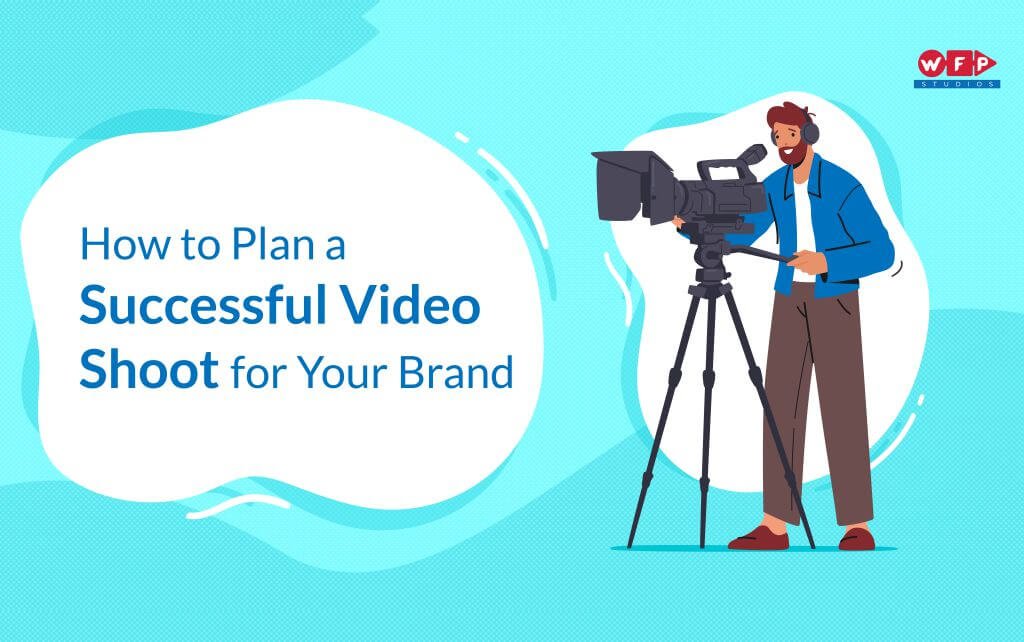
Stabilisation tools like tripods, monopods, sliders, or gimbals keep the footage from looking shaky. They help your video feel professional and intentional instead of handheld and random.
All of this can sound technical, but in simple terms: your technical plan decides whether your video looks and sounds like a professional brand piece or just something quickly shot.
Design a Practical Shoot Schedule
A shoot day has limited time and a lot to achieve. A good schedule respects both the creative process and the people involved.
Group smartly:
List every scene and interview you need to capture. Then group them by location or setup. For example, all interview segments in one area, then product shots in another, then office environment cutaways later. This reduces how often lights and cameras need to be moved.
Estimate real time:
Estimate how long each segment will reasonably take, including setup, rehearsal, retakes, and quick reviews. Even a 30 second segment can take 20 to 30 minutes to film properly. It is better to plan with some buffer than to rush through and regret later.
Plan breaks:
Plan breaks, especially if people are on camera for long stretches. Tired faces show on video. A short break often saves time overall.
A clear schedule also gives your internal team and leadership confidence, because everyone knows when they are needed and for how long.
Plan for Things Going Off Script
No matter how well you plan, something always goes differently than expected. A product sample arrives late. A key person is stuck in another meeting. It starts raining when you planned an outdoor sequence. A location that seemed quiet suddenly has construction noise.
Build contingency:
This is normal. The difference lies in how ready you are. Good crews build contingency into the plan. That might mean having backup locations, backup microphones, additional batteries and chargers, extra memory cards, or alternate shot ideas that can be filmed while waiting for something else to be fixed. It also means leaving a little room in the schedule for unexpected delays.
Handling problems calmly is a skill that comes with experience, but you can support that by planning in a realistic way, not a wishful one.
Think Ahead to Editing and Post Production
Many people see editing as something that starts after the shoot. In reality, good editing begins in planning. When you think about post production early, you shoot in a way that supports a strong final cut.
What editing includes:
Editing is where the shots are stitched together into a story.
This includes:
- Selecting the best takes
- Cutting out pauses and mistakes
- Balancing the pacing so it feels neither rushed nor slow
- Cleaning up audio to reduce noise
- Adding music that supports the mood
- Colour correcting and grading so the video looks consistent
- Adding motion graphics, lower thirds, titles, and logo animations
- Including subtitles for accessibility and mute viewing
If you know in advance that you will need multiple versions, for example a full length video for your website and shorter edits for social media, the editor will ask for specific types of shots during the shoot. If you know you will need space to add text or graphics, the framing will be adjusted accordingly.
Thinking about editing early means fewer compromises later and a video that feels well crafted rather than patched together.
Plan How the Video Will Be Used
A video is only effective if people actually see it. That is why planning for distribution and usage is part of planning the shoot, not an afterthought.
Where it will live:
You might want to use the video on your website, on LinkedIn, on YouTube, in email campaigns, in investor decks, or during events. Each of these might require different formats, lengths, or aspect ratios.
Format and variations:
If you know this early, you can ask for horizontal versions for web and YouTube, vertical or square versions for reels and shorts, and specific cuts for paid campaigns or landing pages. You might also plan to capture behind the scenes footage or stills during the shoot that can be used in social posts, newsletters, or internal updates.
When distribution is planned from the beginning, your video shoot becomes a content engine, not just a one time activity.
A Thoughtfully Planned Shoot Builds a Stronger Brand
Every decision taken before the camera rolls, from purpose and audience to locations, people, technical setup, schedule, and distribution, affects how your brand appears in front of your audience.
A well planned shoot does more than produce a visually engaging video. It communicates that your brand is serious, considered, and professional. It respects your audience’s time and attention. It makes your internal team feel confident about what is going out into the world.
A successful video shoot is not about luck. It is about clarity, preparation, collaboration, and a team that knows how to turn ideas into visuals that work.
Let WFP Studios Help You Plan It Right
Planning a video shoot on your own can feel overwhelming, especially when you are also handling day to day business priorities. That is where the right creative video production company makes a difference.
At WFP Studios, we help brands through the entire process, from clarifying the purpose and understanding the audience, to scripting, visual planning, location decisions, shoot scheduling, filming, editing, graphics, and delivery. Our focus is simple: to make the process manageable for you and to create videos that feel true to your brand and deliver real results.
Your story deserves a shoot that is thoughtful, organised, and built with intention.
Let us help you create a video that does your brand justice.